

Employment law doesn’t wait for perfect timing, and 2026 is a great example. A few major employment law changes went into effect as of January, which means the “we’ll handle it soon” window has closed. There are plenty of changes still ahead this year, including non-January minimum wage increases, new paid leave programs becoming operational, and deadlines that fall outside the typical annual reset.
Below are some of the top compliance changes you should confirm are being addressed today, and what you should calendar so you don’t get surprised in Q2, Q3, or Q4.
Summary
Major 2026 employment law changes are already in effect, with California leading the way with updates to mandatory employee notices, bans on most training repayment agreements, and stricter salary transparency requirements. Eighteen states raised minimum wages on January 1, and Q1 brings key deadlines for W-2/1099 filings, ACA forms, California notice and emergency contact requirements, and Massachusetts pay data reporting. Employers should audit contracts and postings, update multi-jurisdiction payroll rates, train managers, and build systems to document compliance to avoid significant penalties.

Employment Law Changes in California
In October 2025, more than a dozen employment bills were signed by Governor Gavin Newsom, fundamentally reshaping how California employers do business. These changes took effect on January 1, 2026, and affect how businesses draft contracts, advertise jobs, and process employee pay.
February 1st: Mandatory Employee Notices
Here’s what you need to know: By February 1, 2026, you must give every California employee a detailed notice explaining their workplace rights. A quick email you fire off will not cut it, as this notice needs to include topics like workers’ compensation, immigration protections, union rights, and how to report workplace problems.
If you miss this deadline, you could have to pay $500 per employee for each violation…per day, with up to $10,000 total. For a company with 100 employees, that’s a potential $50,000 hit in a single day. The state will provide a template you can use, but you need a plan for actually distributing it to everyone. Waiting until January means you’re already behind.
New employees will receive this notice on their first day, and by March 30th, employers also need to let employees designate an emergency contact with requirements to notify contacts if employees are arrested or detained at work.
No More “Pay Us Back If You Quit” (Training Repayment Agreements Are OUT!)
You know those agreements where employees have to pay back training costs, tuition reimbursements, or sign-on bonuses if they leave within a certain timeframe? Starting January 1, most of those are now illegal in California.
This matters if your retention strategy depends on making people fear a big bill if they quit. There are a few exceptions to this, including government-funded training programs, official apprenticeships, and certain discretionary bonuses that are documented separately, but the point is: the rules are strict.
If it hasn’t already been done, employers should audit employment contracts, offer letters, and bonus agreements, and make any necessary changes to “stay-or-pay” language. To retain good employees, we recommend offering competitive pay, a strong culture, and career growth opportunities rather than financial penalties.
Salary Transparency
If you have 15 or more employees in California, you must post realistic salary ranges in your job ads. You can no longer post broad salary ranges like “$50,000- $150,000” that can cover multiple experience levels. You need to post what you actually expect to pay the person you are trying to hire. Legally, honesty is the best policy now (and ethically always should be).
“Pay” does not just mean salary anymore. Employers must post realistic “good faith estimates” which can include bonuses, stock options, and benefits. Another thing to consider is that if an employee is underpaid, they now have three years to file a pay discrimination claim (from the prior two years to file).
With enhanced pay transparency, we encourage employers to brush up on market rates, review internal pay equity data, and train hiring managers on what they can actually offer before they post a job.
The Multi-State Maze: 18 Minimum Wage Increases Hit Simultaneously
Minimum wage increases were implemented across at least 18 states on January 1st.
Here’s a high-level overview:
- Washington State:$17.13/hour
- Connecticut: $16.94/hour
- California: $16.50/hour (NOTE: Many California cities have higher local minimums: Los Angeles, San Francisco, and Berkely all require more)
- Missouri:$15.00/hour
- Rhode Island: $16.00/hour
- Hawaii: $16.00/hour
Plus increases in: Arizona, Colorado, Maine, Michigan, Minnesota, Montana, Nebraska, New Jersey, New York, Ohio, South Dakota, Vermont, and Virginia
Every state, and many cities, have their own rules, exemptions, and indexation formulas. If you misapply a rate, you’re not just underpaying employees, you’re inviting back wages, penalties, and potential lawsuits.
If your workforce spans multiple states or cities, we recommend you check every location where work is performed, not just the employee’s home location. The complexity adds up fast, and ignoring local wage ordinances is one of the most common (and costly) employer mistakes.
Upcoming Compliance Deadlines You Can’t Afford to Miss
January 31, 2026: Tax Form Deadline
You must send W-2 forms to all employees and to the Social Security administration by January 31, 2026. Contractors need their 1099-NEW forms. Late penalties start at $60 per form and can climb above $310. For a company with 100 employees, being late could cost $6,000+ and escalate from there. With this said, there is a small safety net that if your wage errors are under $100 or tax withholding errors are under $25 per form, you might avoid penalties. We recommend planning ahead for this.
February 1, 2026: Critical California Deadlines
-
- Distribute those mandatory “Know Your Rights” notices we mentioned earlier to all employees
- Massachusetts employers with 25+ employees must file their first pay data report under that state’s new transparency law (which took effect in October)
March 2, 2026: Healthcare Forms Due
If you offer health insurance, employees must receive Form 1095-C showing their coverage for the prior year. You must also file these forms with the IRS by February 28 (if filing paper) or March 31 (if filing electronically). The 2026 affordability threshold (what you can require employees to contribute toward coverage) is 9.96% of household income.
March 30, 2026: California Emergency Contact Deadline
We recommend providing employees the chance to name an emergency contact and setting up your procedures for notifying those contacts if an employee is arrested or detained at work (as we mentioned above).
Our Top Tips for Staying Compliant
Clean up your paperwork
Audit every employment contract, offer letter, and bonus agreement for any language around paying back training costs or bonuses. Pull your job posting templates and make sure salary ranges are accurate and defensible. Double-check that your payroll system is updated for minimum wage increases across all 18 states (and verify any local city minimums on top of state rates).
Train Your Team
Your hiring managers need to understand they can’t post broad salary ranges in job descriptions and call it a day. They need clarity on the actual compensation plan before posting a role. HR teams need clear procedures for California’s immigration-related leave requests and the process for work authorization terminations, including potential rehire obligations.
Build Your Systems
Create a tracking system for work authorization terminations in California, as employers must follow up if those employees obtain documentation within two years. Set up a distribution log for “Know Your Rights” notices that clearly shows who received what and when. Document your good-faith efforts to comply, because if you’re audited later, you will need proof.
Final Thoughts
Companies that embrace employment law changes and build strong compliance systems are building trust with employees and gaining an edge in competitive talent markets.
Clear salary ranges signal credibility. Employees who know their rights and feel protected are more engaged. Thoughtful handling of immigration matters builds long-term loyalty.
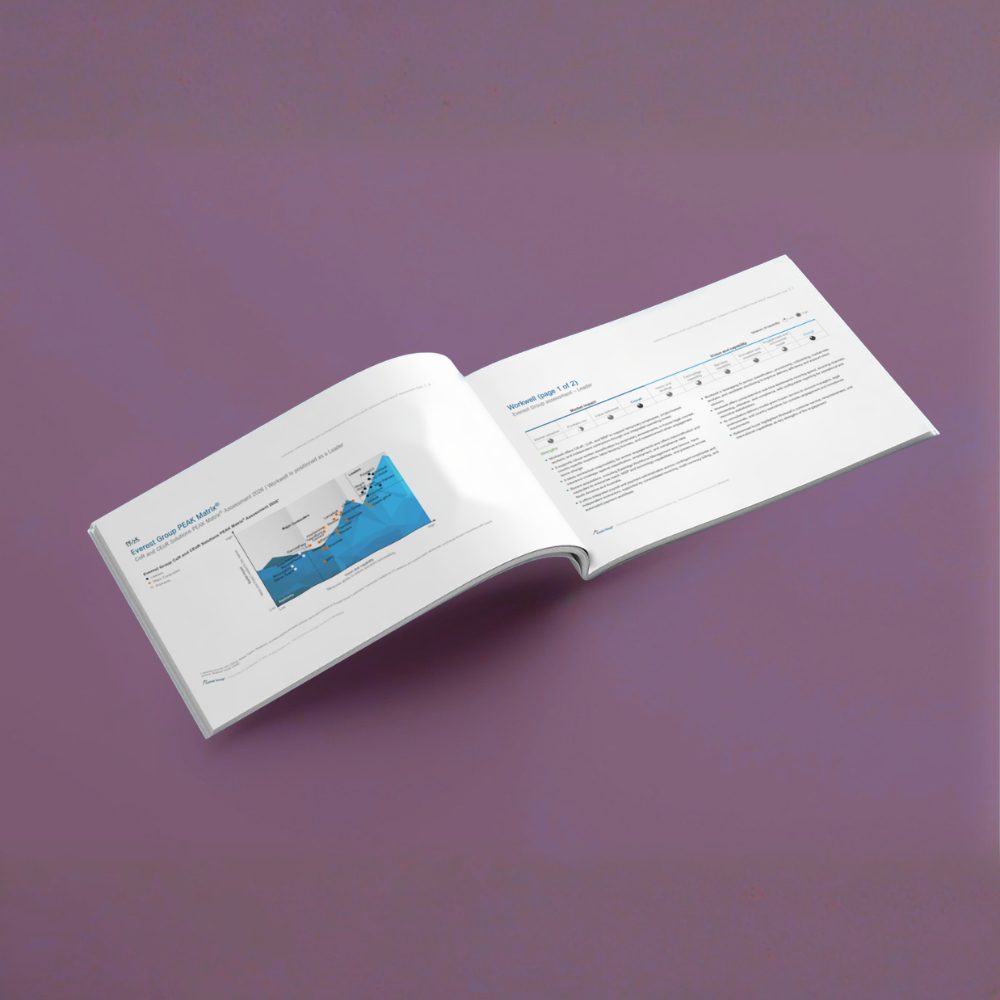
Report: Workwell Is a Leader in CoR and CEoR PEAK Matrix®
Evaluating Contractor of Record or Contingent EOR providers? A leading global research and advisory firm and its team of HCM…
Workwell Named a Leader in Contractor of Record and Contingent EOR Solutions
Workwell has been named a Leader in Everest Group’s Contractor of Record (CoR) and Contingent Employer of Record (CEoR) Solutions…

Managing Co-Employment Risks in Contingent Workforce Programs: An Enterprise Compliance Guide
Co-employment happens when two organizations both hold legal responsibility for the same worker, typically because the enterprise client exercises enough…
Questions about these 2026 employment law changes?
We're here to help you navigate employment law changes so you can stay focused on running your business.